Staring into the fridge, feeling completely lost. wanted to make a positive change, but all the advice online made it sound so complicated. I thought I had to give up all my favorite foods and become a gourmet chef overnight. Sound familiar? If you’re feeling that way, you’re in the right place.
Welcome! Starting a new journey with your food choices can feel overwhelming, but it doesn’t have to be. This guide is here to break everything down into simple, manageable steps you can actually use. Forget the confusing jargon and extreme trends.
Our goal is to show you what a balanced diet truly means for your health. It’s not about perfection. It’s about making better choices more often. Every small step you take builds a foundation for long-term wellbeing and can help protect against various health concerns.
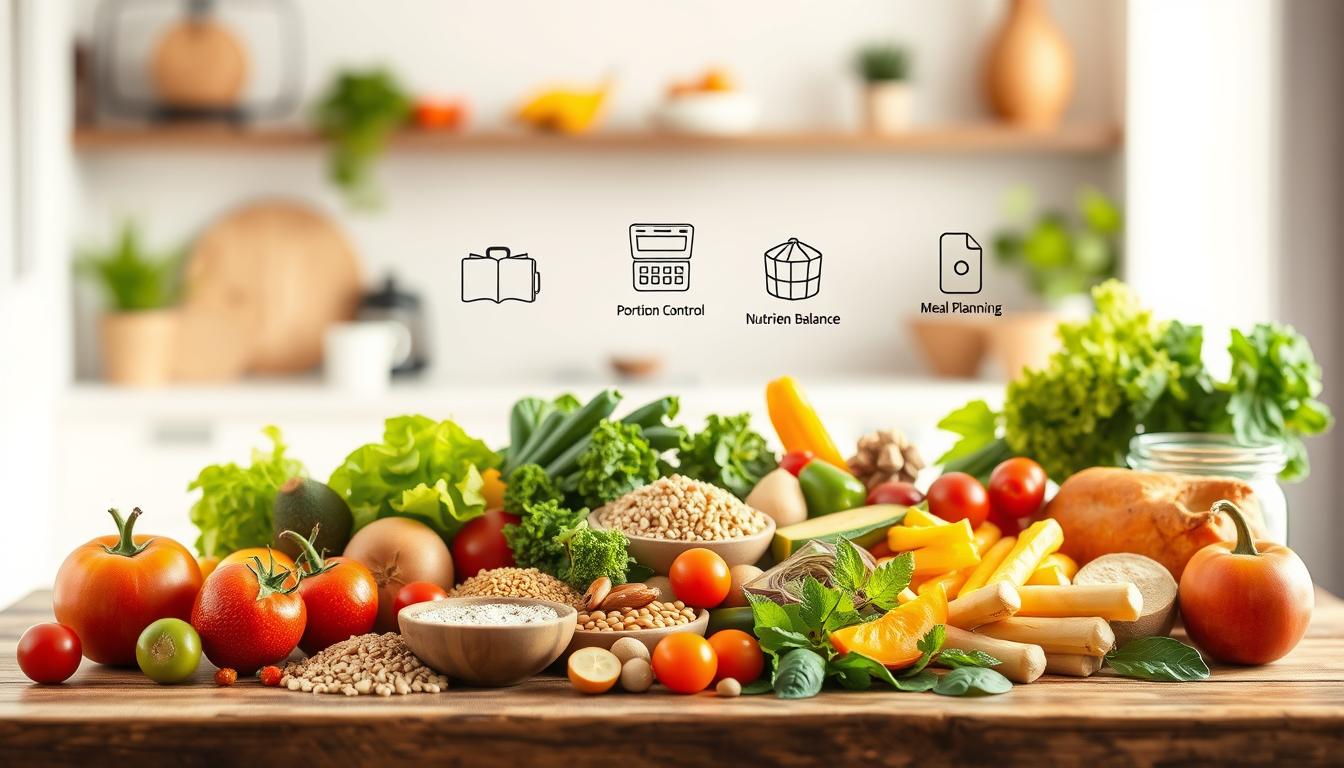
We’ll cover everything from basic nutrition to practical meal planning. You’ll learn how to adapt these ideas to your own life, preferences, and budget. Get ready for practical tips and creative ideas that make this transition feel natural, not restrictive. Let’s get started!
Introduction to Healthy Eating
The true meaning of good nutrition is far more flexible and personal than you might expect. It’s not a strict set of rules. Think of it as a pattern of choices that nourish your body most of the time.
What Healthy Eating Means in Your Daily Life
In my experience, this pattern fits right into your existing routine. It could mean adding fruit to your breakfast or choosing whole grains for lunch. Your meals should reflect your personal preferences and budget.
This approach is sustainable because it doesn’t demand perfection. The best dietary pattern is one you can maintain happily. It’s about progress, not a sudden, overwhelming change.
The Benefits of a Balanced Diet
The rewards of these better foods choices are incredible. You might be surprised by a quick boost in energy and mood. This is a common victory for many people.
Over the long term, consistent good nutrition is a powerful shield. It significantly lowers your risk for serious disease like heart issues and diabetes. Building these habits now pays off for a lifetime of wellbeing.
Understanding Nutritional Guidelines and the Healthy Eating Plate
Building a nutritious plate doesn’t have to be complicated when you understand the basic proportions. The Healthy Eating Plate model from Harvard experts gives you a clear visual guide for balanced meals.
Key Components: Vegetables, Fruits, and Whole Grains
Fill half your plate with colorful vegetables and fruit. This ensures you get a wide variety of nutrients. Remember that potatoes don’t count toward this goal due to their blood sugar impact.
The next quarter should feature whole grains like brown rice or quinoa. These provide sustained energy compared to refined grains like white bread.
Decoding Healthy Oils and Proteins
Your protein section should include fish, beans, or nuts. Limit red meat and avoid processed meats for better health outcomes.
Don’t fear healthy fats from sources like olive oil. Your body needs these good fats to function properly. These recommendations help create meals that support long-term wellness.
Practical Tips for Incorporating Healthy Eating into Your Routine
Making better food choices becomes much simpler when you weave them into your existing routine. It’s about small, consistent steps that build over time. This approach prevents feeling overwhelmed.
In my experience, success comes from planning ahead. This stops those frantic moments when you’re hungry and just grab anything.

Simple Meal Planning Ideas
Start by dedicating just 20 minutes each week to outline your meals. You don’t need fancy recipes. Think about balancing your plate with vegetables, proteins, and whole grains.
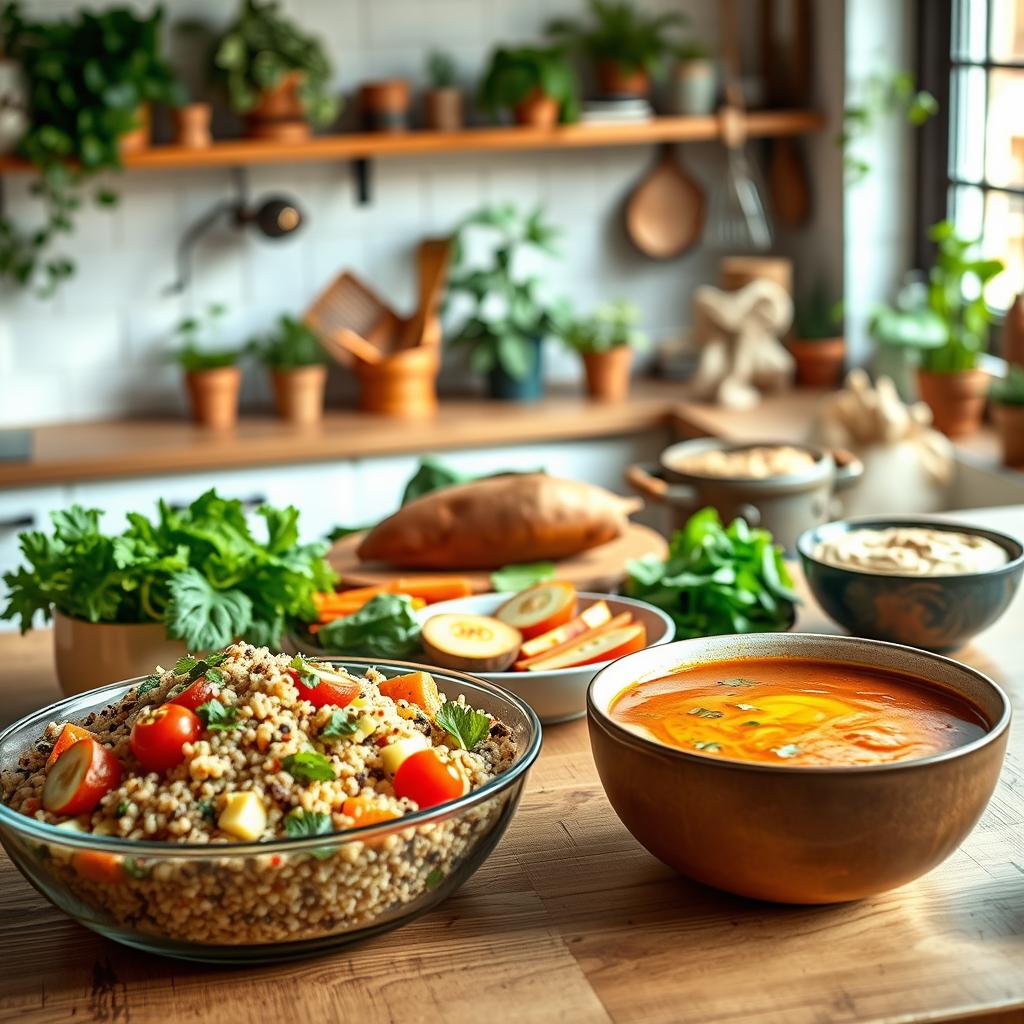
Batch cooking is a game-changer. Wash and chop veggies after shopping. Cook a large portion of grains like quinoa or brown rice. Store them in clear containers for easy, grab-and-go meals throughout your busy day.
Overcoming Common Challenges
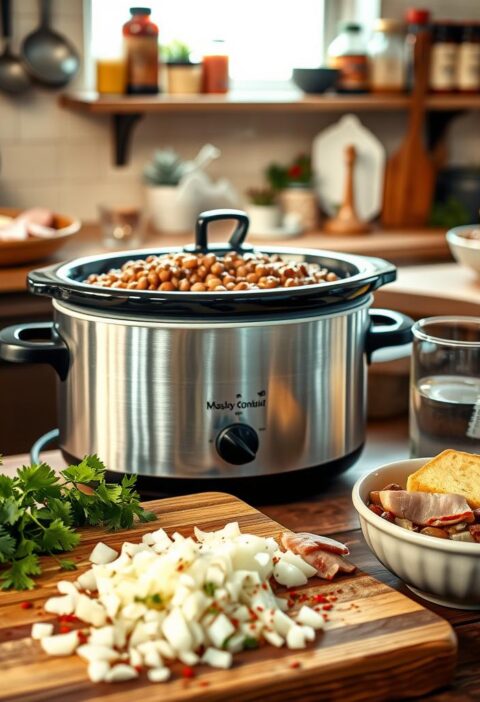
Lack of time is a real hurdle for many people. Keep your pantry stocked with staples like canned beans, frozen vegetables, and nuts. This lets you throw together a good food quickly.
Worried about your budget? Buy fruit and vegetables when they are in season. Frozen options are just as nutritious and often cheaper. This proves that good nutrition doesn’t have to be expensive.
For picky eaters, try gradual changes. Mix regular pasta with whole grain pasta. Add finely chopped veggies to familiar sauces. This avoids resistance.
Remember, an imperfect day is normal. What matters is the overall pattern of your choices. This consistency is key for managing your weight and enjoying a variety of delicious foods.
Balancing Dietary Recommendations and Smart Food Choices
When it comes to managing your intake of sugars, fats, and salt, small adjustments make a big difference. These three elements often hide in everyday foods, but understanding them helps you make better choices.
Managing Sugars, Fats, and Sodium
Think about sugar like your daily allowance. Most people should aim for about 12 teaspoons maximum. This includes hidden sugars in sauces, breads, and yogurts.
Try cutting back gradually. Use less sugar in coffee or choose plain yogurt with fresh fruit. Drink water instead of sweet beverages.
For fats, focus on quality over quantity. Choose olive oil over butter, and snack on nuts instead of cheese. These swaps support heart health.
Reducing sodium is challenging since it’s in many packaged products. Rinse canned vegetables and use herbs for flavor. Cooking at home gives you control.
These changes lower your risk of heart disease and high blood pressure. Your overall diet becomes more balanced without feeling restrictive.
Healthy Eating in Action: Expert Insights and Real-Life Examples
Let’s move from theory to practice. Seeing how these principles work in everyday life makes all the difference.

Personal Experiences and Insider Tips
In my experience, the best strategy is visibility. Keep a bowl of washed fruit on your kitchen table. You’ll grab an apple or a pear without a second thought.
Another insider tip is to upgrade your favorite meals. Stir spinach into your pasta sauce or add shredded zucchini to meatballs. These small additions boost your vegetable intake effortlessly.
You might be surprised how your tastes change. After a few weeks of eating more whole foods, overly processed snacks can start to taste too salty or sweet.
Creative Recipes for Every Lifestyle
For a busy day, try overnight oats. Mix rolled oats with milk or a soy alternative, add some nuts and berries, and let it sit overnight.
Sheet pan dinners are a lifesaver. Toss vegetables like broccoli and chickpeas with olive oil and roast them alongside a piece of fish or chicken. It’s simple, delicious, and easy to clean up.
These approaches prove that good nutrition is about creativity, not deprivation. Find what works for your unique life.
Conclusion
Your journey toward better nutrition is about building a lifestyle, not following a rigid set of rules. Remember that progress matters more than perfection. Every positive choice you make adds up over time.
Keep the core principles simple. Fill half your plate with colorful vegetables and fruits. Choose whole grains and healthy proteins. Limit added sugars and sodium. Drink water instead of sugary beverages.
The best diet is one that aligns with your personal preferences and budget. It should feel sustainable, not restrictive. This approach supports both your daily energy and long-term health.
Start with small, manageable steps. Maybe add one extra vegetable serving this week. These consistent choices lower your risk of chronic disease like heart issues.
You have everything you need to begin today. Every meal is a fresh opportunity. Your path to healthy eating starts right where you are.