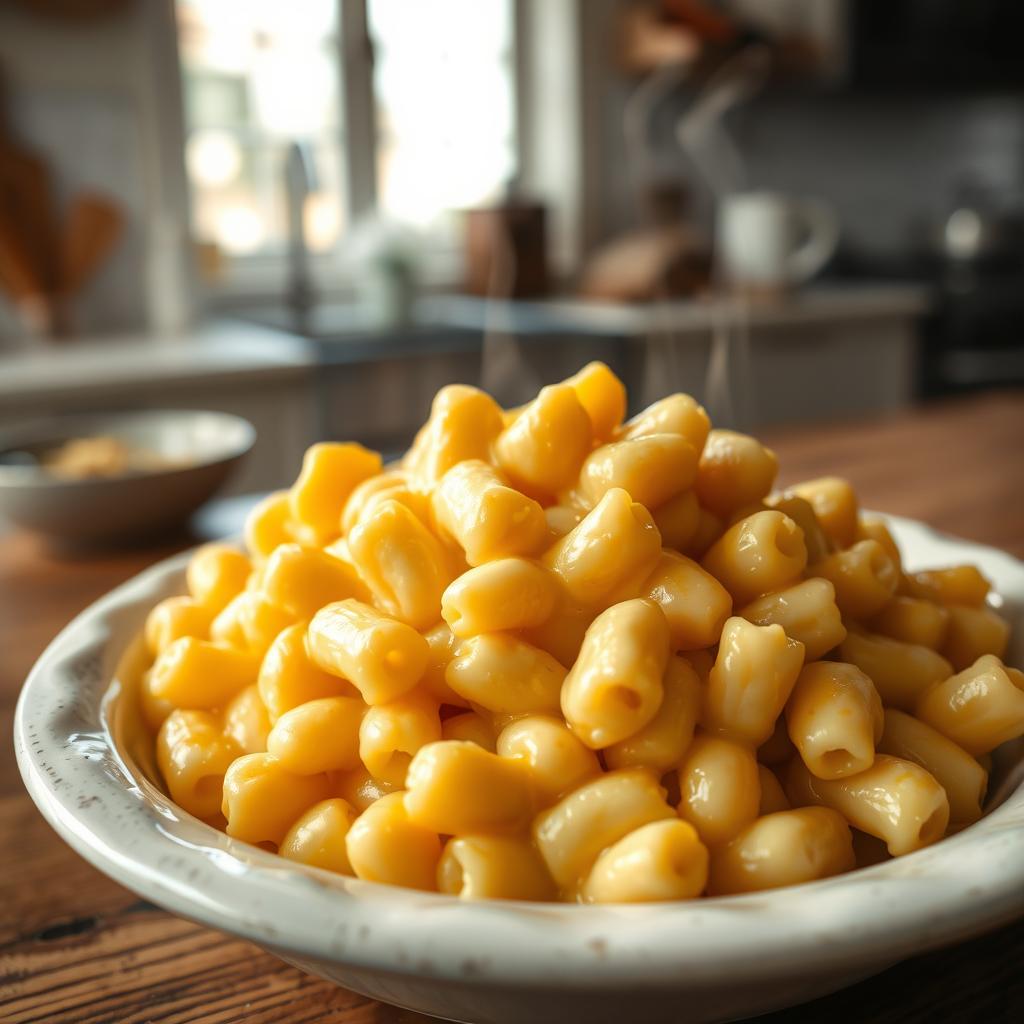
There’s something truly special about a perfect bowl of this classic comfort food. After testing countless versions, I’ve finally crafted a recipe that stands out from all the rest.
For me, a great mac cheese dish is about more than just taste. It’s about the memories it creates. This recipe delivers that nostalgic feeling with an unbelievably creamy texture you’ll want to make again and again.
You don’t need to be a professional chef to master this homemade mac cheese. I’ll guide you through the simple steps. We’ll cover the classic baked method and a quicker stovetop variation.
By following these techniques, you can create a restaurant-quality meal right in your own kitchen. This isn’t just another recipe list. It’s a complete guide filled with my favorite tips for the most satisfying results.
Introduction
The journey from boxed convenience to homemade mastery is one worth taking for any comfort food lover. In my experience, the difference between pre-packaged and from-scratch versions is like night and day.
This dish holds a special place in many hearts, evoking warm memories of family dinners and cozy gatherings. You might be surprised how simple techniques can transform basic ingredients into something extraordinary.
I’ve explored countless variations—from Southern-style with eggs for that firm texture to stovetop versions that stay wonderfully creamy. Each approach offers unique qualities, but they all share that comforting essence.
The viral social media sensation using cavatappi pasta demonstrates how creative twists can breathe new life into classic recipes. While that version uses pounds of cheese, our focus remains on balanced creaminess without overwhelming complexity.
What makes this homemade mac cheese stand out? It’s the little secrets I’ll share that ensure restaurant-quality results every time. Whether you’re new to cooking or looking to elevate your skills, you’ll find this approach both achievable and rewarding.
Just like mastering a great vegan lasagna recipe, perfecting this comfort food creates lasting kitchen confidence. The satisfaction of creating something truly special from scratch is worth every moment.
Ingredients & Tools You’ll Need
The foundation of any remarkable comfort food creation begins with quality ingredients and reliable tools. Having everything prepared before you start cooking makes the process smooth and enjoyable.
Essential Ingredients
Your cheese selection makes all the difference. Use about 1 pound total, freshly grated from blocks. Pre-shredded varieties contain anticaking agents that create a gritty sauce.
Professional chefs recommend combining three types. Choose something sharp like cheddar for tang, something creamy like Gouda or Monterey Jack for melt, and something flavorful like Parmesan.
You’ll need 4 cups of dried pasta – elbow works beautifully, but cavatappi or shells catch more sauce. For dairy, use 2.5 cups whole milk and 1/4 cup butter. Don’t skip the “secret” ingredients like dry mustard and an egg for exceptional texture.
Must-Have Kitchen Tools
The right equipment ensures perfect results every time. A sturdy large pot handles both pasta cooking and sauce making. A reliable whisk is essential for smooth roux preparation.
Invest in a quality grater for fresh cheese. Grate sideways across the block for easier handling. A spider strainer lifts pasta perfectly, and a 2-quart baking dish works for most family portions.
With these components ready, you’re set to create wonderful meals. For more kitchen inspiration, explore our vegan recipes for dinnercollection.
Cooking Techniques and Tips
The real magic happens when you understand the science behind creating that perfect creamy texture. In my experience, mastering these fundamental methods separates good results from exceptional ones.
Mastering the Roux
Your sauce foundation begins with a proper roux. Melt butter over medium-low heat, then whisk in equal parts flour. Constant whisking for about 5 minutes prevents burning and develops a nutty aroma.
Patience is crucial here. Rushing this step or using high heat creates bitter flavors you cannot fix. After your roux is ready, gradually whisk in milk until smooth.

Perfect Pasta Texture
Undercook your pasta significantly since it continues cooking in the hot sauce. Test a piece after 5 minutes of boiling—if it’s too firm to enjoy immediately, it’s perfect for your dish.
This al dente plus approach ensures your final texture remains ideal rather than becoming mushy.
Cheese Melting Techniques
Prevent grainy sauce by adding freshly grated cheese gradually. Stir in one handful at a time, waiting for each addition to melt completely before adding more.
Keep heat low to avoid separation. For the egg tempering technique, slowly whisk hot sauce into beaten egg, then incorporate this mixture back into your main pot.
| Technique | Traditional Method | Modern Alternative | Key Difference |
|---|---|---|---|
| Base Preparation | Butter + flour roux | Sodium citrate emulsifier | Flour-free ultra-smooth texture |
| Cooking Time | 5-7 minutes whisking | Quick emulsification | Faster preparation |
| Texture Result | Classic velvety | Exceptionally creamy | Different consistency profiles |
| Skill Level | Intermediate technique | Beginner friendly | Accessibility variation |
Taking time with these techniques ensures your final creation achieves that restaurant-quality smoothness everyone loves.
Step-by-Step Recipe Guide
Let’s walk through each stage of preparation to ensure your final result is perfectly creamy. This homemade mac cheese recipe comes together beautifully when you follow these simple steps.
Preparing the Pasta
Start by bringing a large pot of water to a rolling boil. Add about 1 teaspoon of salt – it should taste like sea water. Pour in your 4 cups of elbow pasta or similar shape.
Begin testing after 5 minutes. The pasta should be too firm to enjoy eating plain. This al dente texture is perfect since it continues cooking in the hot sauce.
Drain using a spider strainer but don’t rinse! The starch helps the sauce cling beautifully to every piece.
Creating the Cheese Sauce
Melt 1/4 cup butter over medium-low heat. Whisk in 1/4 cup flour constantly for about 5 minutes until nutty. Gradually add 2.5 cups whole milk and 2 teaspoons dry mustard.

Whisk until smooth and cook 5 more minutes until thick. Now for the secret step: temper one beaten egg with 1/4 cup hot sauce, then whisk back into the pot.
Add your grated cheese gradually – a handful at a time. Watch each addition melt into liquid gold before adding more. Season with salts, pepper, and optional spices.
Oven vs. Stovetop Options
For the classic baked version, transfer to a buttered 2-quart baking dish. Top with reserved cheese and bake at 350°F for 20-25 minutes until golden brown and bubbly.
Prefer ultra-creamy texture? Skip the oven entirely and serve straight from the pot. Top with crispy breadcrumbs for delightful crunch. Both methods deliver fantastic results for this satisfying mac cheese recipe.
For additional creative approaches, check out this comprehensive mac and cheese guide that explores various techniques.
Secrets to the Best Mac and Cheese
Behind every spectacular comfort food creation lies a collection of little-known techniques that transform ordinary ingredients into something extraordinary. You might be surprised how simple adjustments can elevate your results dramatically.
Expert Hacks for Creaminess
In my experience, the number one game-changer is grating your own cheese from blocks. Those convenient pre-shredded bags contain additives that prevent smooth melting, creating a gritty texture.
Whole milk is non-negotiable for richness. Trying to save calories with skim or 2% results in thin, watery disappointment. The fat content makes all the difference in your final sauce.
Dry mustard works magic by adding tangy sharpness that balances richness. It never makes the dish taste like mustard at all. This secret ingredient creates perfect flavor harmony.
The egg trick creates that silky, luxurious texture you get at fancy restaurants. Properly tempered, it’s a complete game-changer for velvety smoothness.
| Technique | Traditional Approach | Modern Hack | Result Difference |
|---|---|---|---|
| Cheese Preparation | Fresh grating from blocks | Sodium citrate emulsifier | Eliminates graininess completely |
| Liquid Base | Whole milk only | Chicken broth + cream mix | Enhanced depth with less cheese |
| Texture Secret | Egg tempering method | American cheese addition | Foolproof creamy consistency |
| Baking Magic | Crispy cheese top layer | Moisture-sealing technique | Perfect soft bottom contrast |
For baked versions, that gorgeous golden brown crispy top actually seals in moisture underneath. This creates the perfect textural contrast everyone loves.
Don’t undersalt your creation. While cheese adds some saltiness, the sauce still needs proper seasoning. Balance is key to unforgettable flavor.
Variations & Expert Advice for best mac and cheese
Once you’ve mastered the basic technique, the real fun begins with customizing flavors and presentations. Your homemade creation becomes a canvas for personal expression.
Flavor Twists
Experiment with different cheese combinations beyond basic cheddar. Try mixing sharp varieties with creamy Gruyère or smoky Gouda.
Add cooked bacon crumbles or caramelized onions for depth. A drizzle of truffle oil elevates this comfort food to gourmet status.
Seasoning Guides
Seasoning transforms your dish from good to exceptional. Smoked paprika adds warmth without heat.
Cayenne pepper brings subtle fire for those who enjoy spice. Ground thyme offers earthy notes that complement the creamy sauce.
| Seasoning | Flavor Profile | Best Pairings | Usage Tip |
|---|---|---|---|
| Smoked Paprika | Warm, smoky depth | Sharp cheddar, bacon | Sprinkle on top before baking |
| Cayenne Pepper | Subtle heat | Pepper jack, buffalo sauce | Start with 1/4 teaspoon |
| Garlic Powder | Savory intensity | All cheese types | Mix into sauce base |
| Ranch Seasoning | Herbaceous tang | White cheddar, chicken | Great for kid-friendly versions |
Creative Serving Suggestions
Serve your creation alongside BBQ as a classic side dish. For a complete meal, pair with a simple green salad.
Top with crispy panko breadcrumbs toasted in butter with garlic. This adds wonderful texture contrast.
For more advanced techniques, explore these mac and cheese secrets from professional chefs.
Conclusion
The true reward comes when you serve up a bowl of this creamy masterpiece and watch smiles spread around the table. This homemade creation brings people together like few other dishes can.
Whether you choose the 30-minute stovetop version or the 55-minute baked option, every minute invested pays off in rich flavor. The combination of fresh ingredients and careful technique creates something truly special.
I encourage you to make this recipe your own. Experiment with different cheese blends and seasonings. For more inspiration, explore these creative mac and cheese recipes that showcase various approaches.
This dish has become a cherished tradition in my home. I hope it brings the same warmth and connection to your table. Your journey to perfect comfort food starts now—I can’t wait to hear about your delicious results!