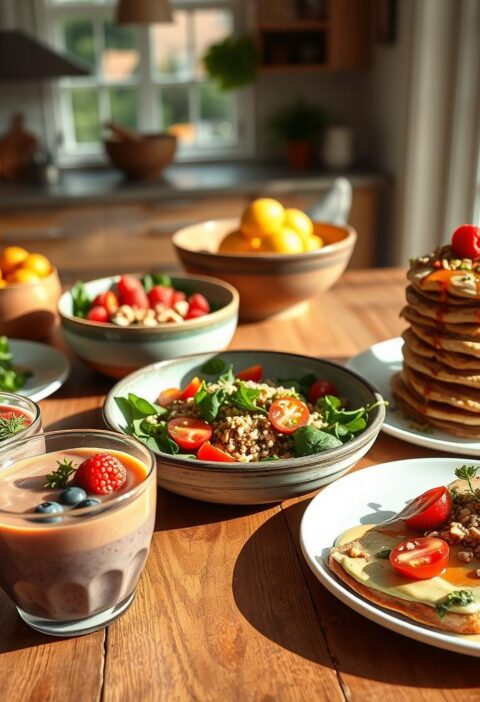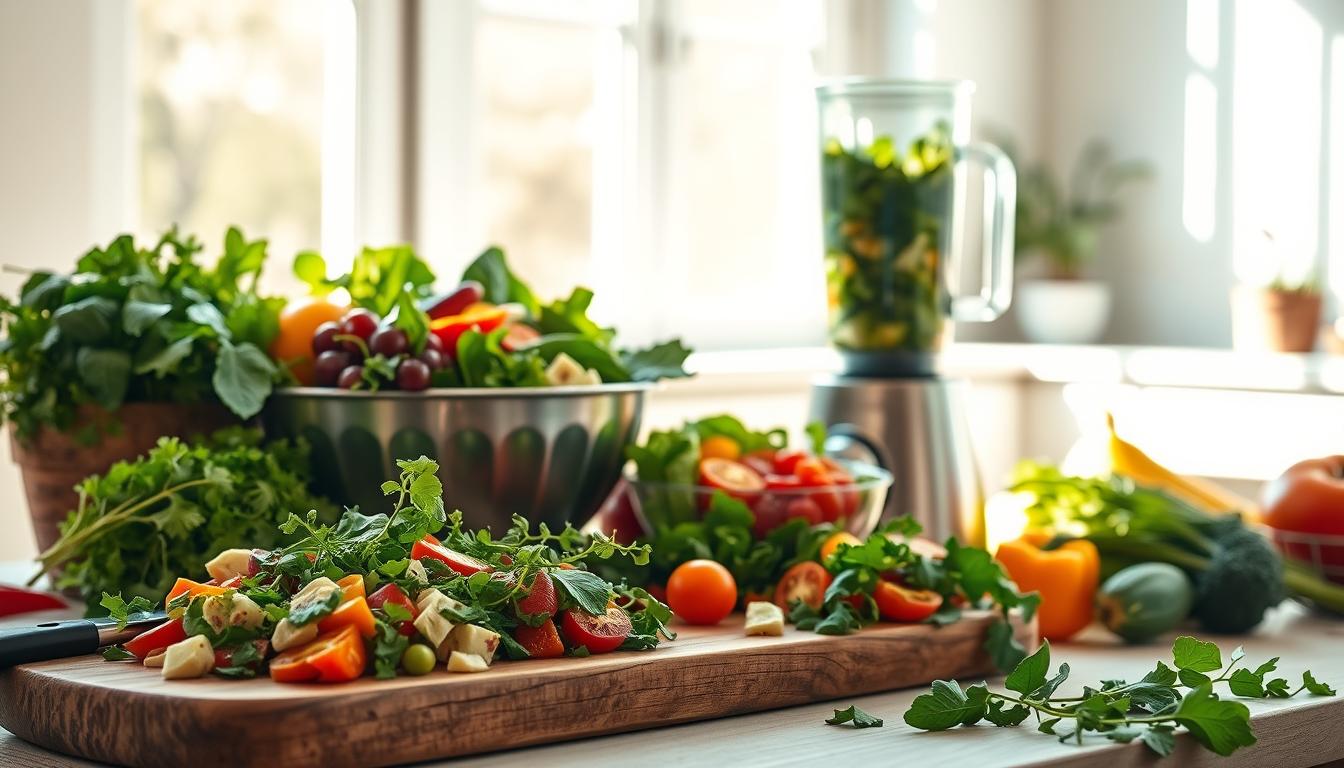
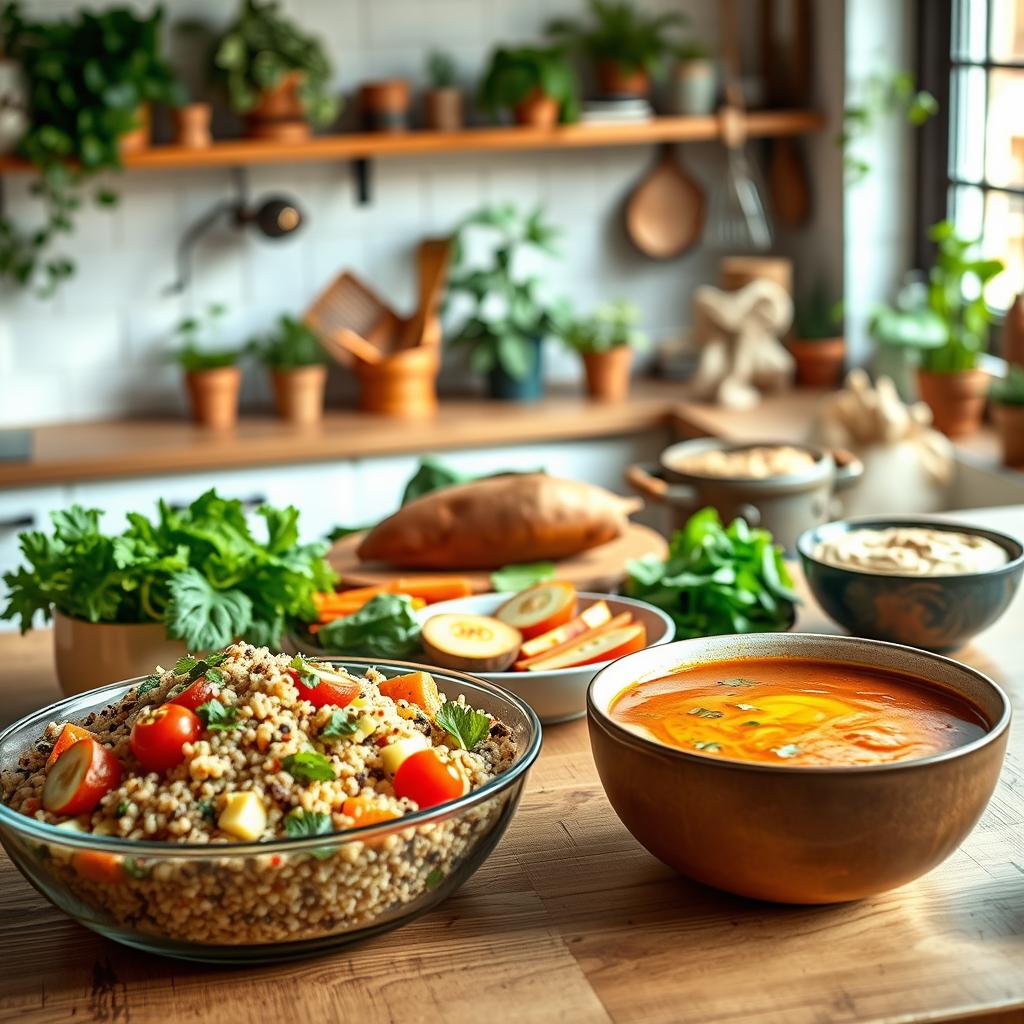
Are you ready to transform your spiritual journey from bland and boring to absolutely delicious? I’ve been where you are, staring at limited food options and wondering how I’ll make it through 21 days. These recipes changed everything for me.
In my experience, the biggest challenge isn’t the spiritual discipline—it’s figuring out what to actually eat day after day. That’s exactly why I created this ultimate resource. You might be surprised how flavorful plant-based eating can become.
This comprehensive guide walks you through everything from biblical foundations to practical meal planning. You’ll discover satisfying foods that won’t leave you feeling deprived or hungry. The right recipes make all the difference.
Whether you’re new to this spiritual practice or have experience with fasting, this collection equips you with delicious options. You’ll gain both meaningful spiritual insights and practical kitchen strategies. Let’s make your journey enjoyable and deeply rewarding.
Introduction to the Daniel Fast
Many people find that beginning a spiritual fast can feel overwhelming, especially when facing dietary restrictions. But this particular practice is designed to be accessible and deeply meaningful.
What is the Daniel Fast?
This spiritual discipline is a partial fast based on biblical principles. Instead of giving up all food, you focus on eating whole, plant-based foods.
You temporarily remove items like meat, dairy, and processed sugars. The goal is to create space for prayer and reflection. In my experience, this approach makes the fasting period much more manageable.
Churches of various backgrounds, from Methodist to Baptist, embrace this practice. It’s common for entire congregations to participate, building a powerful sense of community.
| Aspect | Typical Modern Diet | Daniel Fast Diet |
|---|---|---|
| Primary Protein Source | Animal products (meat, dairy) | Plant-based (beans, lentils, nuts) |
| Staple Carbohydrates | Refined grains, white bread | Whole grains (brown rice, quinoa) |
| Foundation of Meals | Often processed or pre-made | Fresh vegetables and fruits |
| Primary Sweeteners | Refined sugar, artificial sweeteners | Natural fruits (no added sweeteners) |
Embracing a Plant-Based Lifestyle
Shifting your diet in this way isn’t about deprivation. It’s a conscious choice to honor your body and your faith.
You might be surprised by the energy and clarity you gain. This partial fast offers both physical and spiritual renewal. It’s a beautiful way to draw closer to what matters most.
The Biblical Roots of the Daniel Fast
The foundation of this dietary discipline reaches back thousands of years to a remarkable story of faith and courage. Understanding where this practice originated can deepen your own spiritual experience.
This approach to eating isn’t a modern invention but has powerful biblical precedents. The stories behind it reveal much about spiritual commitment.
Scriptural Inspirations from Daniel 1 & 10
Picture a young Jewish man in ancient Babylon, offered luxurious royal cuisine. Instead of indulging, he requested simple vegetables and water for a ten-day test period.
The meat and wine from King Nebuchadnezzar’s table likely violated Jewish dietary laws. More importantly, they may have been offered to pagan gods first.
After this brief time, Daniel and his friends appeared healthier than those eating rich foods. Their commitment to faith over luxury brought unexpected physical benefits.
Years later, during a three-week mourning period, Daniel again chose simplicity. He abstained from meat, wine, and pleasant bread during this intense spiritual time.
What’s striking is that Daniel’s choices weren’t about health trends. They were profound acts of devotion, maintaining spiritual integrity in challenging circumstances.
When you participate in this practice today, you connect with this ancient tradition of faith. You’re following a path of spiritual discipline that values connection over convenience.
Understanding the Daniel Fast Guidelines
Clear guidelines transform what seems restrictive into a liberating experience of abundance. Having a solid foods list eliminates confusion and helps you focus on your spiritual goals.
You’ll discover an incredible variety of delicious options. The foundation includes all vegetables—fresh, frozen, or canned. Whole grains like quinoa and brown rice provide sustained energy.
Foods to Enjoy vs. Foods to Avoid
Your plate will be filled with colorful, nutrient-rich choices. Beans and legumes become your protein staples. All fruits are welcome, from fresh apples to unsweetened dried varieties.
You’re setting aside animal products, added sugar, and processed items. This temporary shift supports both physical and spiritual renewal. Focusing on what you can eat makes the journey enjoyable.
| Category | Foods to Enjoy | Foods to Avoid |
|---|---|---|
| Grains | Quinoa, oats, brown rice, whole wheat | White flour, white rice, refined grains |
| Protein Sources | Lentils, chickpeas, nuts, tofu | Meat, dairy, fish, eggs |
| Sweeteners | None (natural fruit sweetness only) | Honey, sugar, artificial sweeteners |
| Beverages | Water, unsweetened non-dairy milk | Coffee, alcohol, sugary drinks |
This approach to healthy eating creates space for reflection. The temporary simplicity becomes a powerful spiritual practice. You’ll find satisfaction in nourishing whole foods.
Navigating Whole Grains, Legumes, and Nuts
The foundation of satisfying plant-based eating lies in mastering three key ingredient categories. These whole grains, legumes, and nuts become your culinary building blocks during this spiritual practice.
Whole grains provide sustained energy that keeps you feeling full and focused. Unlike refined options, they contain the complete grain kernel with all its natural fiber and nutrients. Quinoa cooks up fluffy while teff creates creamy porridge.
Your protein needs are beautifully met by various legumes and beans. Chickpeas transform into crunchy snacks or smooth hummus. Lentils cook quickly and absorb flavors wonderfully in soups and stews.
Nuts and seeds add healthy fats and satisfying crunch to your meals. Almonds and walnuts boost omega-3 intake while pumpkin seeds provide mineral richness. Nut butters make breakfast and snacks more substantial.
These time-tested staples have nourished civilizations for centuries. They’ll keep you satisfied throughout your entire Daniel Fast journey without feeling deprived.
Exploring Plant-Based Proteins for the Daniel Fast
Protein often becomes the biggest concern when people transition to plant-based eating, but it’s actually one of the easiest nutritional needs to meet. Your body receives excellent nourishment from various legumes and soy products during this spiritual practice.
Beans, Lentils, and Nutrient-Rich Options
Beans are absolute powerhouses for your health during this diet. Black beans provide 15 grams of protein per cup while chickpeas offer both protein and filling fiber. Kidney beans deliver iron and minerals that support your body’s vitality.
Lentils deserve special recognition as efficient protein sources. They cook quickly without soaking and provide complex carbohydrates that fuel your body throughout busy days. The variety from red to green to black adds beautiful diversity to your meals.
Don’t overlook acceptable soy products like tofu and edamame. These offer complete proteins with all essential amino acids your body needs. They’re wonderful for creating satisfying easy vegan dinner recipes.
The beauty of building your diet around these plant proteins is their packaged nutrients. You get fiber, vitamins, and antioxidants that support digestive health and immune function. This combination benefits both your physical body and overall wellness.
Within days of eating beans, lentils, and vegetables as primary protein sources, you’ll likely notice positive changes. Many experience better digestion, clearer thinking, and a welcome sense of lightness. Your body adapts remarkably well to this nourishing approach.
Time-Saving Meal Planning for the Daniel Fast
When you approach your fast with a well-designed meal strategy, you’ll find the process becomes surprisingly smooth. Smart planning eliminates daily stress and keeps you focused on your spiritual goals.

I’ve learned that successful participants dedicate a few hours each week to preparation. This small time investment pays off tremendously throughout your journey.
Prepare Ahead for a Stress-Free Fast
Batch cooking staples like brown rice and quinoa on Sunday sets you up for success. Chop vegetables and portion everything into grab-and-go containers.
Your meal plan doesn’t need to be complicated. Simple combinations of whole grains, roasted vegetables, and seasoned beans work beautifully. Mix and match these components to keep meals interesting.
Quick & Easy Recipe Ideas
Overnight oats with fruit and nuts make breakfast effortless. Big colorful salads with chickpeas create satisfying lunches in minutes.
Simple veggie stir-fries over brown rice become go-to dinners. These recipes take less than 20 minutes of active preparation time.
Keeping your pantry stocked with compliant foods ensures you always have options. This approach supports your health while making the discipline enjoyable.
21 Delicious Daniel Fast Recipes
Your taste buds are about to embark on an exciting adventure with this comprehensive collection of nourishing meal ideas. This selection of 21 different recipes ensures you’ll enjoy variety throughout your entire spiritual journey.
Each day brings new opportunities to explore creative combinations of wholesome foods. You’ll discover how simple ingredients transform into extraordinary meals.
Breakfast, Lunch, Dinner, and Snack Inspirations
Start your morning with hearty overnight oats or savory quinoa bowls. These breakfast options fuel your body without weighing you down.
Lunchtime becomes a celebration of fresh vegetables and plant-based proteins. Try Mediterranean chickpea salads or colorful veggie spring rolls.
Dinner recipes bring comfort and nourishment. Enjoy mushroom barley risotto or stuffed bell peppers with quinoa. Each dish maximizes flavor and nutrition.
Snack ideas keep you satisfied between meals. Roasted chickpeas and trail mix with nuts provide energy boosts. These delicious recipes prove plant-based eating can be incredibly satisfying.
The beauty of having 21 options means you can try something new each day. Many people find these dishes become permanent favorites in their regular rotation.
Maintaining a Balanced Daniel Fast Diet
Your body deserves proper nourishment even while following this disciplined eating plan. A balanced approach ensures you feel energized rather than depleted throughout your spiritual journey.
Focus on getting adequate calories from all food groups. Include whole grains for energy, legumes for protein, and nuts for healthy fats. Colorful vegetables and fruits provide essential vitamins for your body’s health.
Hydration plays a crucial role in your overall well-being. Drink plenty of water throughout the day—aim for at least eight glasses. Proper water intake supports digestion and mental clarity.
Don’t hesitate to use salt to season your meals. It’s necessary for electrolyte balance and makes food taste delicious. This diet isn’t about deprivation but nourishing your body well.
Pay attention to how you feel each day. If you’re sluggish, add more complex carbohydrates. Constant hunger might mean you need more protein. Feeling foggy often signals the need for more water or healthy fats.
The health benefits of this approach are significant when you eat enough nutritious food. Remember to honor your body as you draw closer to spiritual growth.
The Role of Fasting in Spiritual Growth
What if the moments you feel most physically limited could become your greatest spiritual opportunities? This spiritual practice transforms ordinary hunger into sacred connection.
When you embrace this discipline, you create space for what truly matters. The temporary setting aside of comforts opens your heart to deeper realities.
Drawing Closer to God Through Discipline
Your body becomes a teacher during this season. Each craving for restricted foods can redirect you to prayer. This intentional fasting creates powerful reminders throughout your day.
Many discover that combining this practice with dedicated prayer time creates beautiful synergy. The physical and spiritual disciplines work together to help you draw closer god. Your hunger becomes a prompt to seek divine nourishment.
This approach to fasting reveals what truly controls your heart. When you learn to say no to physical desires through God’s strength, you gain power over spiritual battles too. The goal is to draw closer god and become more sensitive to His voice.
True satisfaction comes from communion with your Creator. This lesson transforms how you live long after the discipline ends. Regular prayer during this season helps you maintain that closer god connection.
Tips for Overcoming Common Daniel Fast Challenges
The initial adjustment period brings unique challenges that deserve practical solutions. Your body needs time to adapt to this new way of eating.
Managing Cravings and Staying Motivated
Sugar cravings can feel intense when you eliminate all added sweeteners. Your modern diet likely contains many hidden sources of sugar.
When cravings hit, reach for naturally sweet foods like dates or fresh fruit. These satisfy your sweet tooth without artificial ingredients.
Caffeine withdrawal is real if you’re used to daily coffee. Headaches and fatigue may occur for the first few days.
Stay hydrated and be patient with your body during this adjustment. Connect with your spiritual why to maintain motivation throughout the daniel fast.
Processed foods with additives can create strong cravings. By eliminating these, your taste buds will reset over time.
Whole foods will start tasting more vibrant after this fasting period. Your body adapts beautifully to this nourishing diet.
Recipes Spotlight: Nutritious Daniel Fast Bowls
Buddha bowls and grain bowls transform your spiritual eating experience into something truly spectacular. These vibrant meals combine colorful vegetables, protein-rich beans, and wholesome grains in one satisfying dish.
Start with a foundation of fluffy quinoa or nutty brown rice. Layer on roasted sweet potatoes and bell peppers caramelized to perfection. Add seasoned black beans or crispy chickpeas for protein power.
The magic happens with fresh toppings and creative dressings. Sprinkle pumpkin seeds for crunch and sliced avocado for creaminess. Drizzle with tahini-lemon dressing made simply with water and natural ingredients.
Try Mediterranean-inspired bowls with chickpeas, cucumber, and fresh parsley. Or create Mexican-style bowls with black beans, corn, and spicy jalapeños. These combinations prove daniel fast food can be incredibly exciting.
Don’t forget to incorporate fresh fruits like mango or pomegranate seeds for sweet contrast. The best part? You can prep components ahead for quick assembly throughout your week. This approach keeps your meals interesting and nutritionally complete.
Incorporating the Daniel Fast into Your Everyday Life
What begins as a temporary dietary discipline can blossom into lifelong habits that transform your spiritual journey. The real value emerges when you carry these practices beyond the designated days.
Integrating Prayer and Reflection
Many people discover that pairing their fasting with intentional prayer creates powerful synergy. This combination helps you draw closer to God throughout your day.
Consider replacing routine moments with spiritual practices. Use coffee breaks for quiet reflection or evening TV time for Scripture reading. These small shifts make a big difference.
| Spiritual Practice | Before Fast | During Fast | After Fast |
|---|---|---|---|
| Daily Prayer Time | 5-10 minutes | 20-30 minutes | 15-20 minutes |
| Scripture Reading | Occasional | Daily devotionals | Regular habit |
| Mindful Eating | Rarely practiced | Conscious at every meal | Incorporated regularly |
| Community Connection | Individual practice | Church group participation | Ongoing accountability |
Keeping a journal provides a wonderful example of how God works during your daniel fast. Record insights and breakthroughs you experience.
When entire congregations practice together, people support each other’s growth. This community aspect helps everyone draw closer to God collectively.
The discipline you develop serves you in all life areas. Saying no to immediate gratification builds spiritual muscles that last forever.
Conclusion
Your journey toward spiritual and physical renewal is now fully equipped with practical tools and meaningful insights. You have a solid plan and a generous food list featuring all vegetables, fruits, whole grains, and plant-based proteins.
This partial fast over 21 days is about drawing closer to God, not just changing your diet. Research shows this approach is well-tolerated and can improve health markers, as demonstrated in a clinical study of the Daniel Fast.
Remember to use salt and herbs to make meals delicious. Enjoy simple bread with olive oil or seasoned water-based dressings. When you eliminate animal products and processed products, you’re following a powerful biblical example.
Approach these days with grace. The lessons learned will nourish you long after this season ends. You’re participating in something truly special.